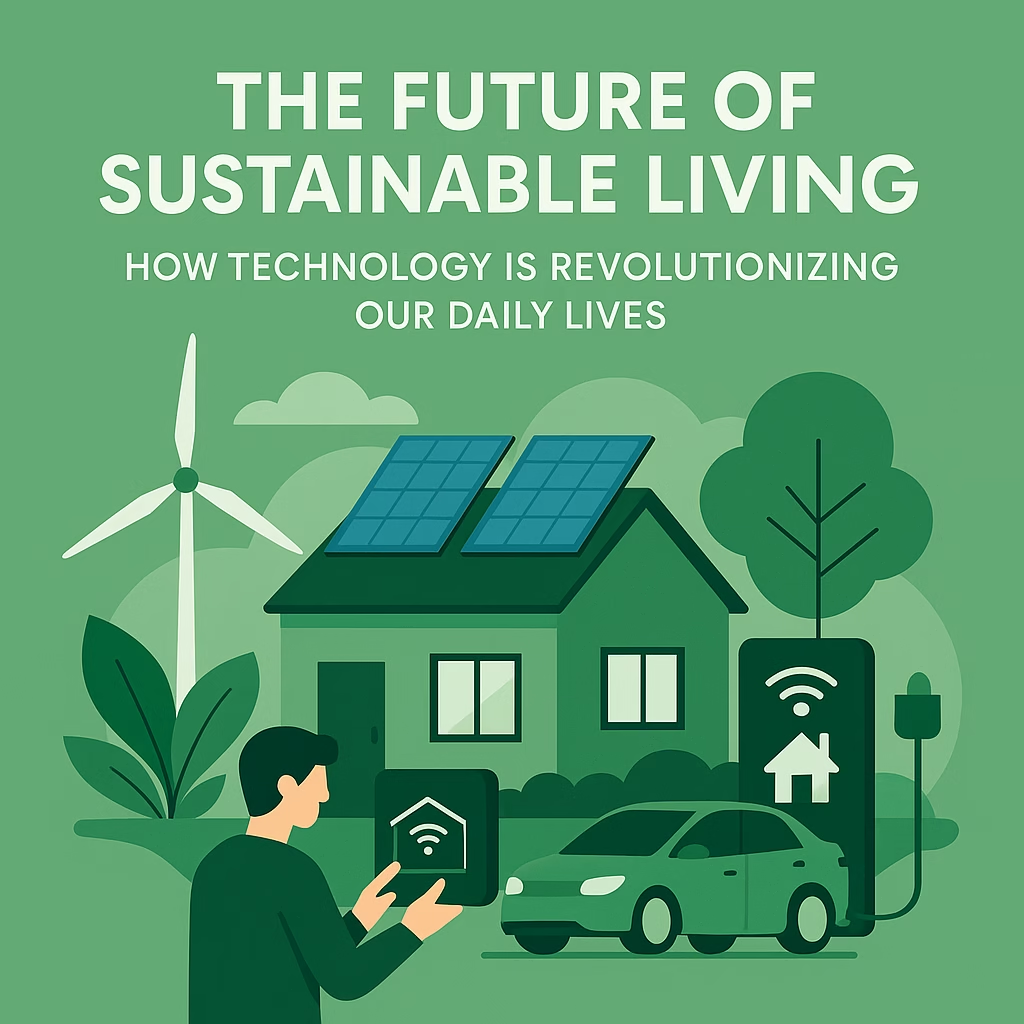
The Future of Sustainable Living: How Technology is Revolutionizing Our Daily Lives
In an era where environmental consciousness has become paramount, technology is emerging as a powerful ally in our quest for sustainable living. From smart home devices to renewable energy solutions, the intersection of innovation and environmental responsibility is reshaping how we interact with our planet and consume resources.
The digital revolution has brought unprecedented changes to our daily routines, and nowhere is this more evident than in our homes. Smart thermostats learn our preferences and adjust heating and cooling automatically, reducing energy waste while maintaining comfort. LED lighting systems controlled by smartphones ensure lights are only on when needed, cutting electricity consumption significantly. These seemingly small changes, when adopted by millions of households, create substantial environmental impact.
Renewable energy technology has made remarkable strides in recent years. Solar panels have become more efficient and affordable, making them accessible to average homeowners. Wind turbines, both large-scale and residential, are generating clean electricity without harmful emissions. Energy storage systems, particularly advanced battery technologies, are solving the intermittency challenges that once plagued renewable sources. This technological progress is accelerating our transition away from fossil fuels.
Transportation represents another frontier where technology is driving sustainability. Electric vehicles are no longer novelties but practical alternatives to traditional cars. With improving battery range, expanding charging infrastructure, and competitive pricing, EVs are becoming mainstream choices. Public transportation systems are incorporating electric buses and trains, while ride-sharing apps optimize routes to reduce unnecessary trips and emissions.
The agricultural sector is experiencing its own technological revolution. Precision farming uses sensors, drones, and artificial intelligence to optimize water usage, reduce pesticide application, and maximize crop yields. Vertical farming brings food production to urban areas, eliminating transportation emissions while using significantly less water than traditional agriculture. These innovations are making food production more sustainable and efficient.
Waste management technology is tackling one of humanity’s most pressing environmental challenges. Advanced sorting systems use artificial intelligence to separate recyclables more effectively than ever before. Composting technologies are transforming organic waste into valuable soil amendments. Some communities are implementing waste-to-energy systems that convert trash into electricity, reducing landfill burden while generating power.
Water conservation technology is becoming increasingly critical as freshwater resources face growing pressure. Smart irrigation systems monitor soil moisture and weather patterns to water lawns and gardens only when necessary. Greywater recycling systems repurpose water from showers and washing machines for toilet flushing and irrigation. Atmospheric water generators extract moisture from air, providing drinking water in arid regions.
The internet and digital connectivity are enabling new forms of sustainable behavior. Remote work reduces commuting emissions and office energy consumption. Digital documents eliminate paper waste. Online marketplaces facilitate sharing economy platforms where people can rent or share items rather than purchasing new ones. Video conferencing replaces business travel, cutting aviation emissions substantially.
Smart city initiatives are integrating various technologies to create more sustainable urban environments. Intelligent traffic management systems reduce congestion and emissions. Smart grids balance electricity supply and demand in real-time, integrating renewable sources efficiently. Sensor networks monitor air quality, enabling targeted interventions to improve urban health.
Consumer awareness and behavior are being transformed by technology as well. Apps help people track their carbon footprint, make informed purchasing decisions, and discover sustainable alternatives. Blockchain technology enables transparent supply chains, allowing consumers to verify environmental claims. Social media amplifies environmental messages and mobilizes collective action for sustainability causes.
Looking ahead, emerging technologies promise even greater sustainability advances. Artificial intelligence is optimizing industrial processes to minimize waste and energy use. Biotechnology is developing sustainable materials that can replace plastics and other polluting substances. Quantum computing may unlock solutions to complex environmental challenges that current computers cannot address.
The path to sustainable living is not without challenges. Technology production itself consumes resources and generates waste. Electronic waste is a growing concern requiring better recycling infrastructure. Digital inequality means not everyone can access these sustainable technologies. Privacy concerns arise from the data collection required for smart systems. Addressing these issues requires thoughtful policies and continued innovation.
Despite these challenges, the trajectory is clear: technology is an indispensable tool for achieving sustainability. As innovations continue accelerating and costs decline, sustainable technologies will become increasingly accessible. The combination of environmental necessity and technological capability creates unprecedented opportunity for positive change. By embracing these technologies thoughtfully and equitably, we can build a more sustainable future for all.
